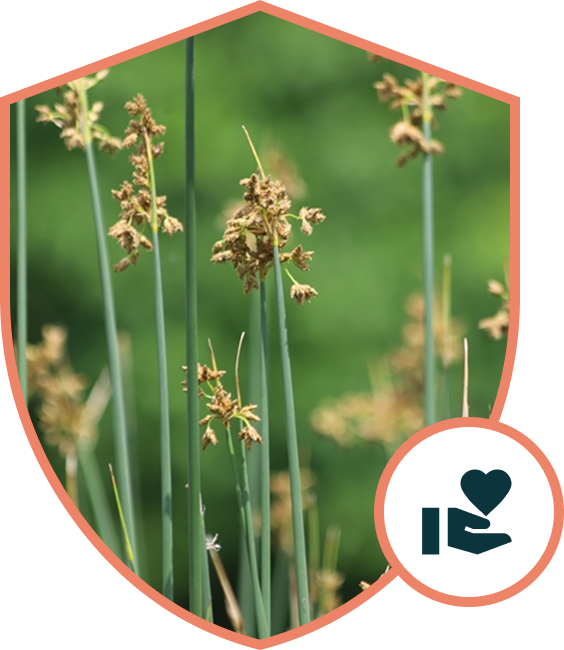
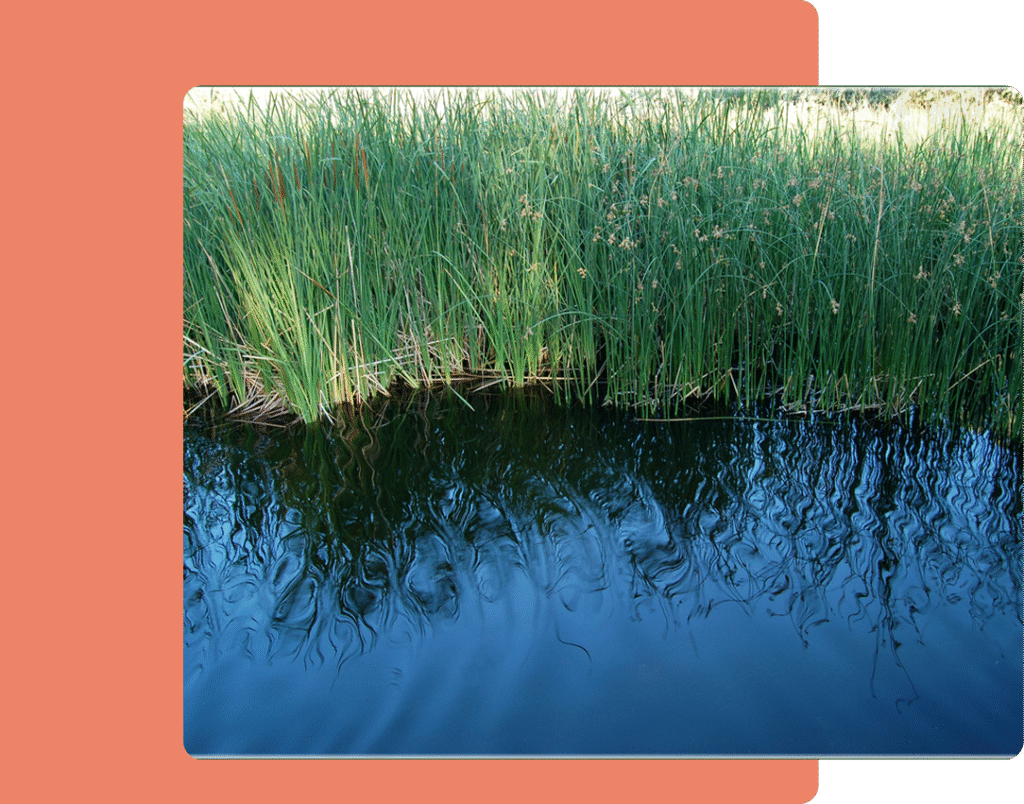
Tule is a tall, grass-like plant that dominates California’s wetlands. Think of it as the skyscraper of the swamp.
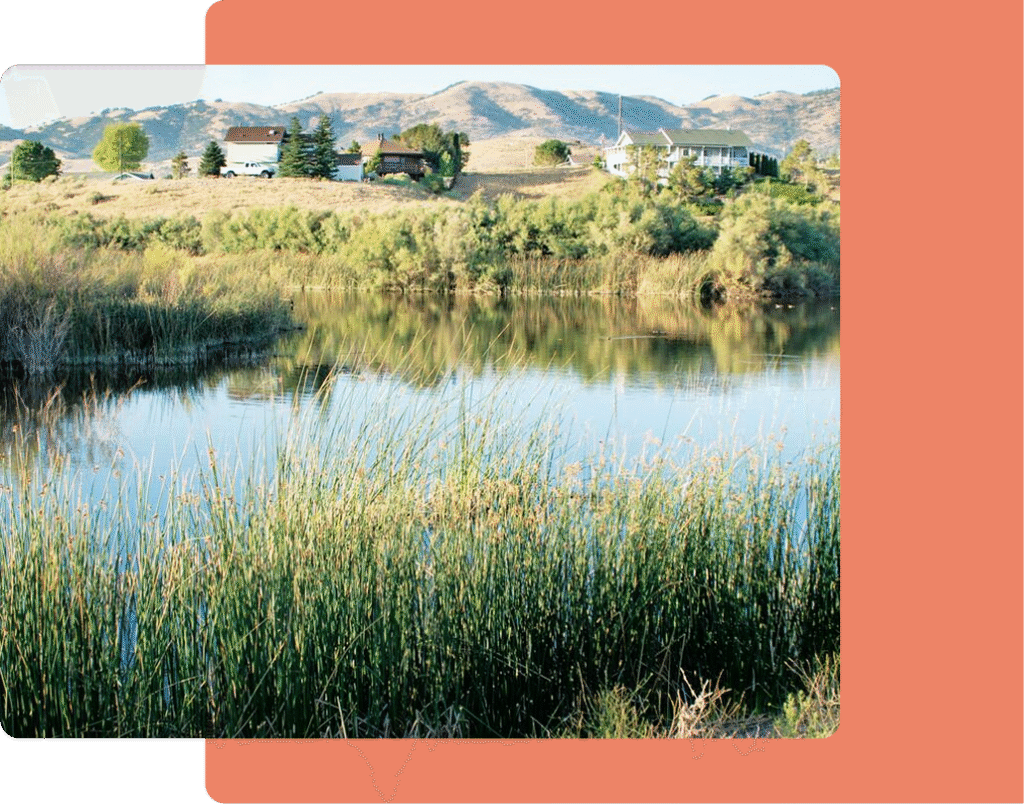
Common in the Sierra Nevada foothills and throughout California’s freshwater wetlands.
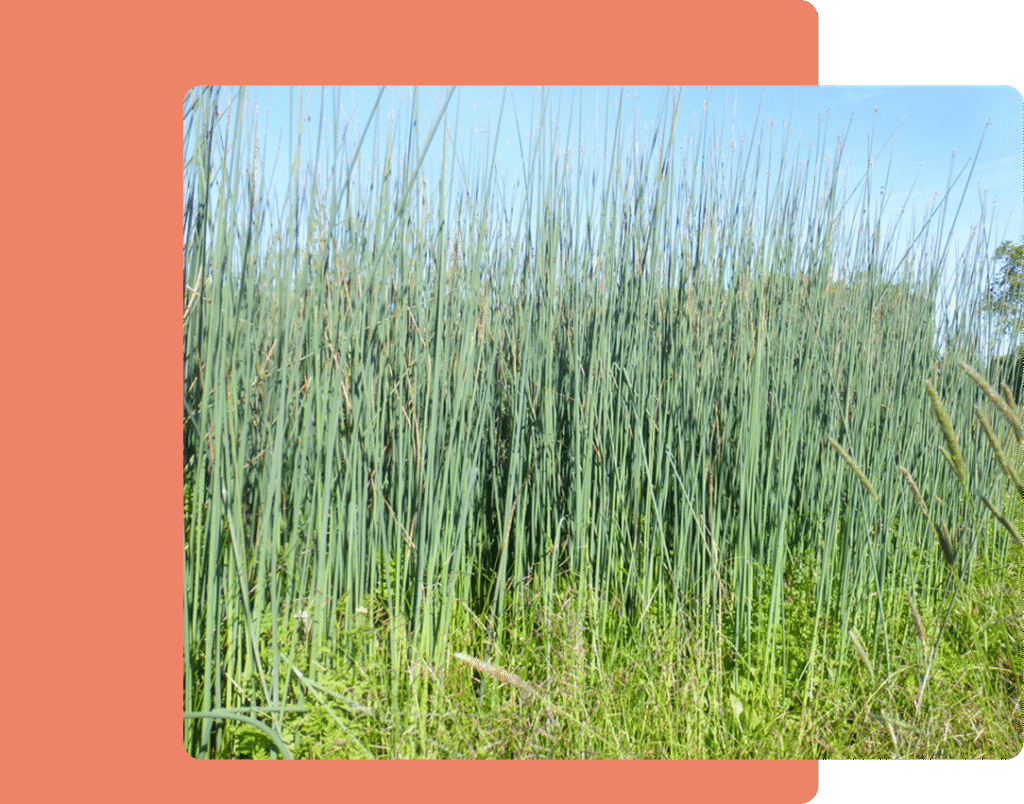
It forms dense stands in marshes, providing habitat for wildlife and acting as a natural water filter.
Spreads through rhizomes (underground stems) and produces seeds, ensuring its reign over marshy terrains
Loves wet, sunny spots—thrives in freshwater marshes and along lake edges.
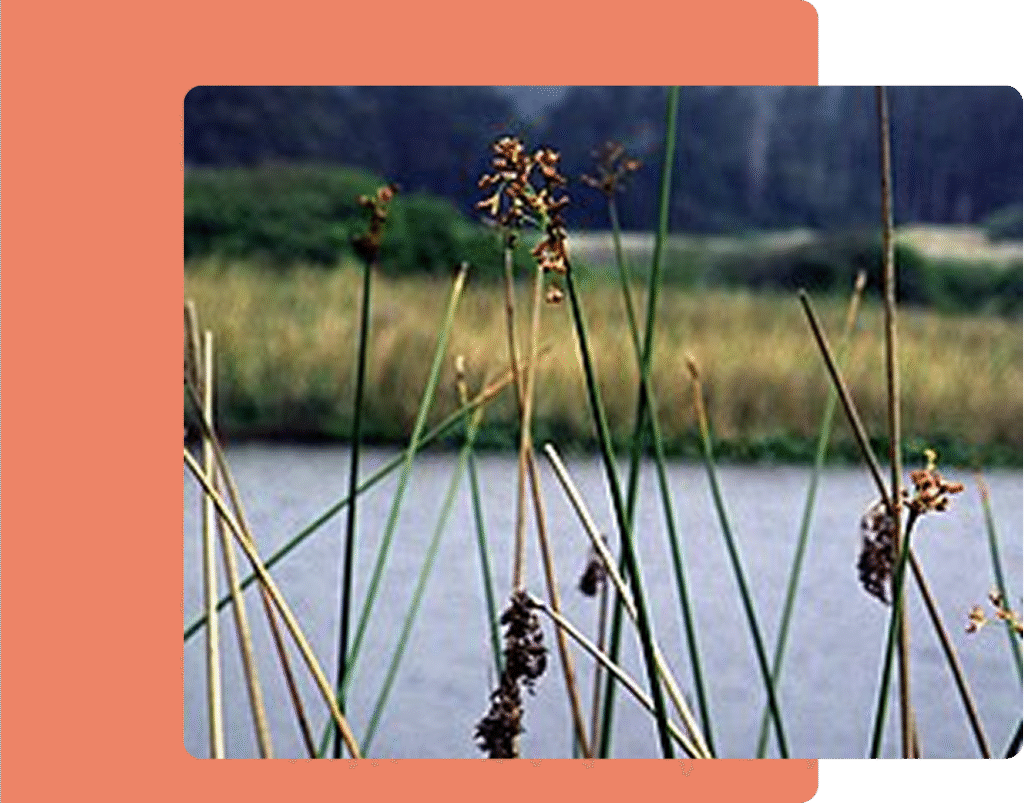
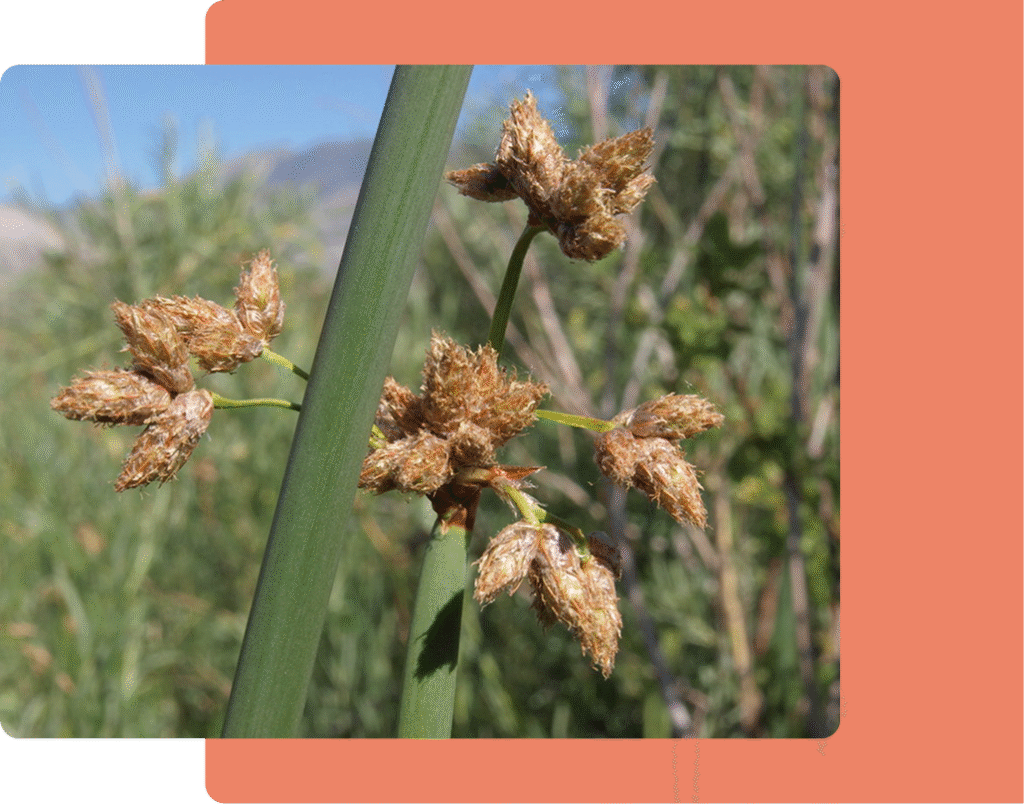
● Height: Up to 10 feet ● Stems: Round and green ● Flowers: Small, brownish clusters at stem tips
Provides nesting grounds for birds and shelter for aquatic creatures.
Indigenous peoples used tule to make boats, mats, and shelters.
The term “tule fog” refers to dense fog in areas where this plant grows.
Protecting tule preserves vital wetland habitats and the myriad species that depend on them.