
Water Smartweed

A plant that can’t decide between land and water—so it chooses both. It’s the amphibian of the flora world.
Devil’s Beggarticks

This weedy wonder is like that friend who crashes the party and sticks around—literally. Its seeds cling to your socks, pants, and dignity.
Arroyo Willow

A fast-growing shrub or small tree that lines waterways—nature’s riparian guardian.
Woolly Sedge

A perennial sedge with soft, hairy textures—like the teddy bear of the plant world.
Swordleaf Rush

A sleek, grass-like plant with sharp, sword-shaped leaves—nature’s minimalist design.
Tule

Tule is a tall, grass-like plant that dominates California’s wetlands. Think of it as the skyscraper of the swamp.
Wild Mint

Wild mint is that minty-fresh herb that pops up near streams and wetlands like it’s setting up a natural spa. It’s basically mouthwash that grows in the dirt.
Western Bumble Bee
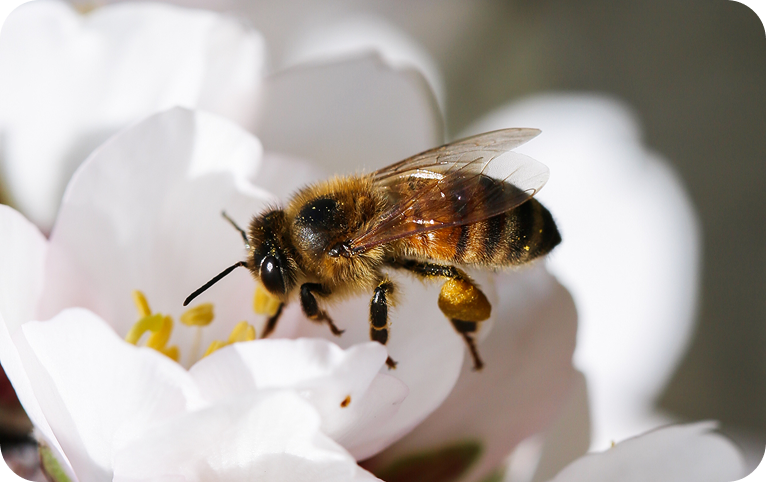
The western bumble bee is a chunky, fuzzy bee with black and yellow stripes and a white rump on its back end. It’s bigger and rounder than a honeybee, and it makes a low, buzzy sound when it flies. You might see it wobbling around flowers, looking busy—but don’t worry, it’s usually friendly and not out to sting.
Western Fence Lizard
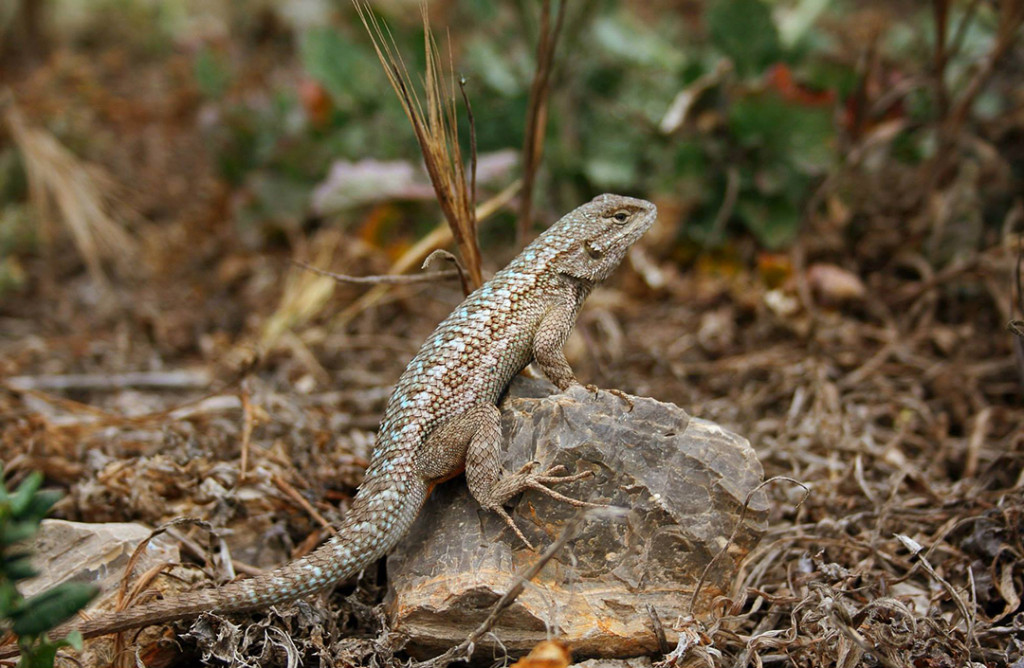
The western fence lizard is a small, scaly reptile with a rough body and shiny blue belly. You’ll often see it doing quick push-ups on rocks, logs, or—you guessed it—fences.
Southern Long Toed Salamander
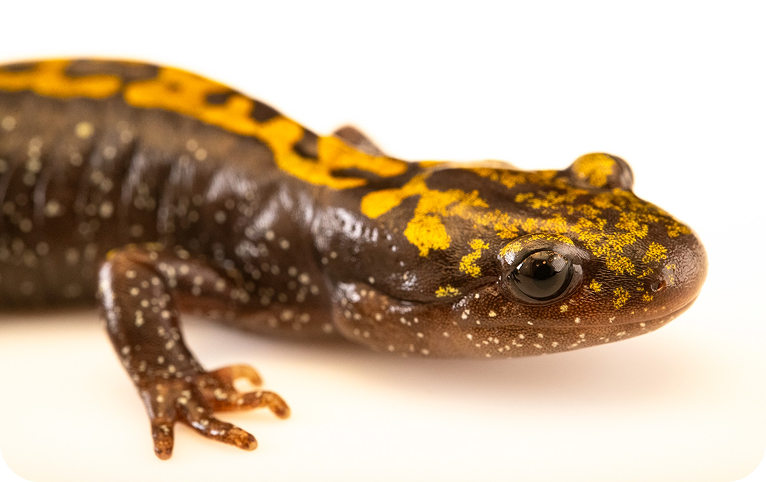
The Southern Long-toed Salamander (Ambystoma macrodactylum sigillatum) is a subspecies of the long-toed salamander, found primarily in the southern Sierra Nevada mountains of California. It is a small, slender amphibian known for its distinctively long outer toes on the hind feet, which help it move efficiently through its moist, forested habitat.