Sugar Pine
The Candy Cane of the Forest
What is it?
Sugar Pine
The Candy Cane of the Forest
What is it?

What Is It?

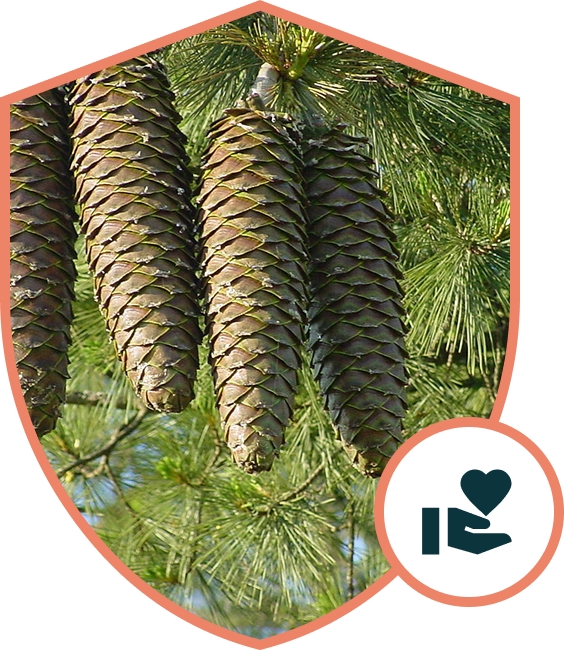
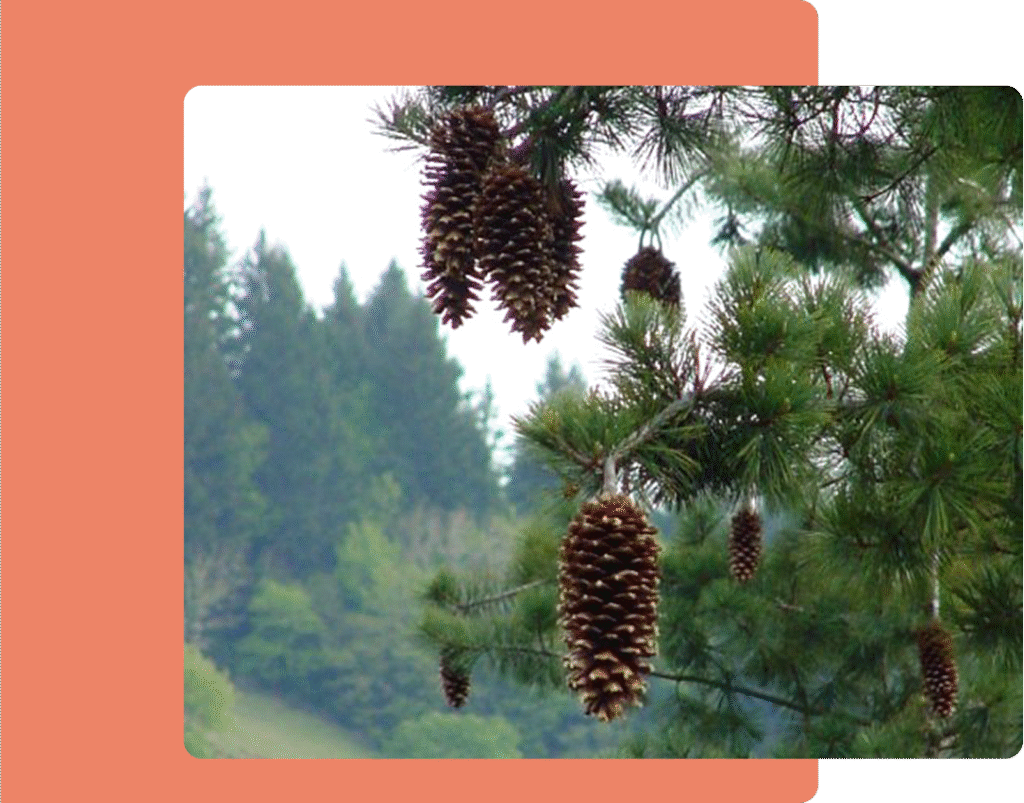
The tallest, longest-coned pine around. Sugar pine doesn’t mess around—it grows BIG.

Where is it found?

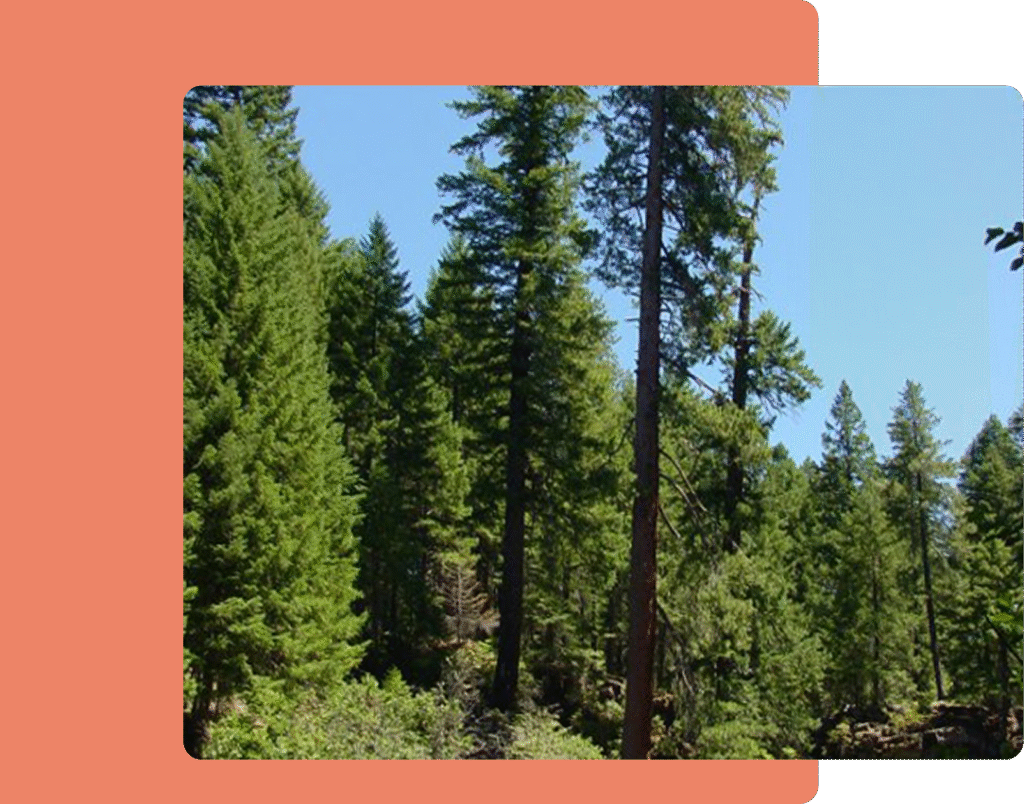
Mid- to high-elevation forests of the Sierra Nevada.

What does it do?

Supports wildlife, stores carbon, and adds epic drama to forest skylines.

How Does It Reproduce?

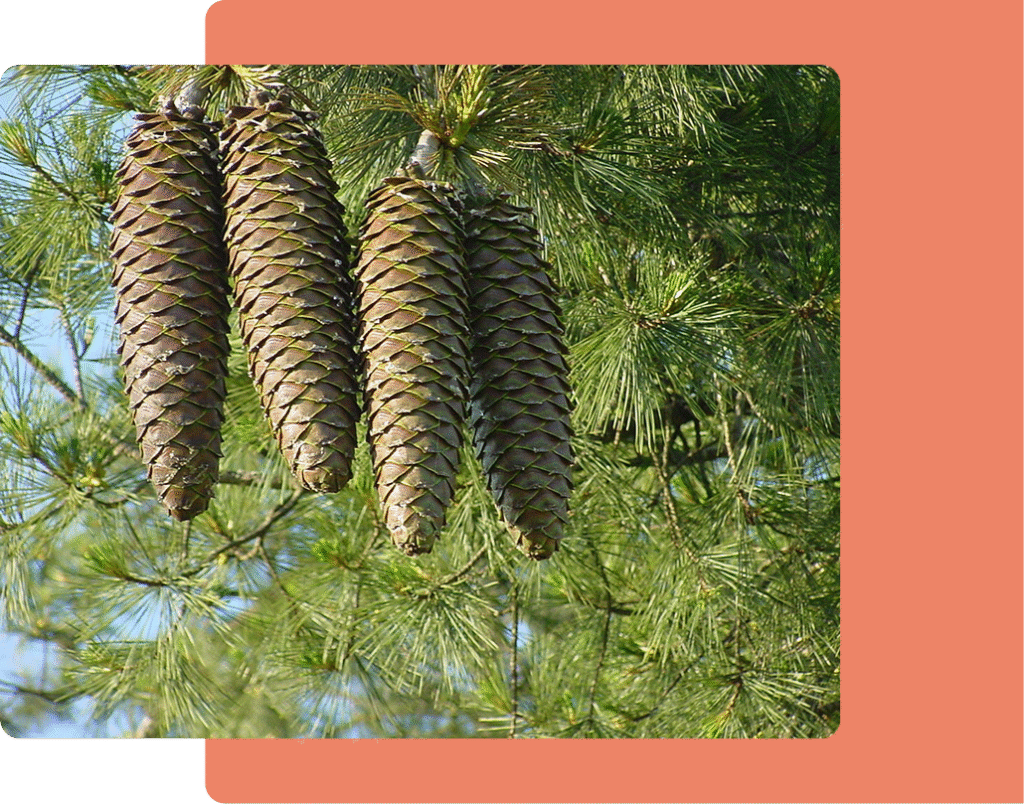
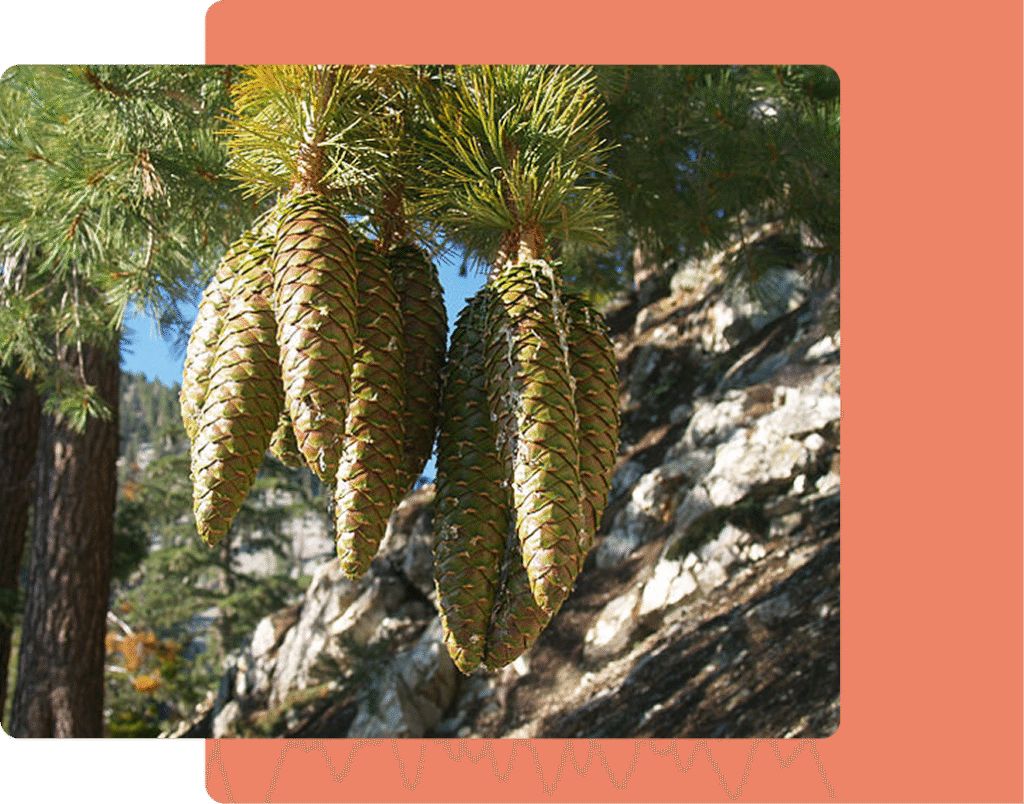
Massive cones (up to 20 inches!) drop seeds that squirrels stash like gold.

Climate it thrives in:

Cool, moist forest zones with plenty of snow in winter.

Vegetation characteristics:

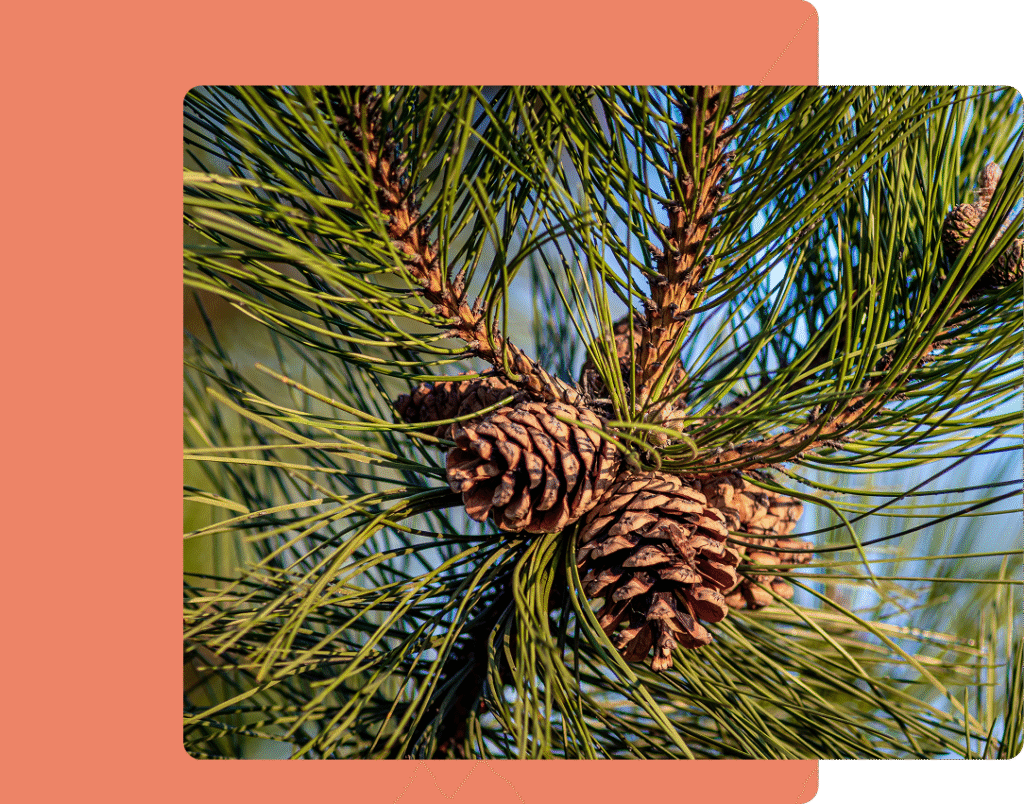
● Needles: Five per bundle, soft and sweet-looking
● Cones: Huge, banana-sized
● Height: Up to 270 feet

Wildlife support:

Seeds feed birds, bears, and squirrels. Woodpeckers love the trunks.

Ecological importance:

Carbon storage champs and great for forest regeneration.

Fun facts:

  • Sap tastes sweet—hence the name

  • Cones can bonk you if you’re not paying attention

Why conserve it?

It’s iconic, supports tons of species, and adds serious swagger to any forest.
Meet Other SPECIES

The smallmouth bass (Micropterus dolomieu) is a popular freshwater game fish native to North America, particularly found in lakes, rivers,...
An aromatic conifer that smells like a forest spa and was once the go-to for making pencils....
The Southern Long-toed Salamander (Ambystoma macrodactylum sigillatum) is a subspecies of the long-toed salamander, found primarily in the southern Sierra...
The mule deer (Odocoileus hemionus) is a deer indigenous to western North America; it is named for its ears, which...

help protect gateway park species