
Lodgepole Pine

A scrappy, skinny pine that grows where others give up—like the ultimate underdog.
Sugar Pine

The tallest, longest-coned pine around. Sugar pine doesn’t mess around—it grows BIG.
Douglas Fir

Not a true fir, but don’t tell it that—Douglas fir is tall, proud, and full of quirky cones.
Incense Cedar

An aromatic conifer that smells like a forest spa and was once the go-to for making pencils.
Ponderosa Pine

A tall, stunning pine with cinnamon-brown bark that smells like butterscotch. (Yes, seriously—sniff it!)
Coffeeberry

A dense evergreen shrub with dark green leaves and berries that change from green to black as they ripen.
Greenleaf Manzanita

An evergreen shrub with bright green leaves and reddish bark, thriving in the Sierra Nevada’s coniferous forests.
Western Bumble Bee
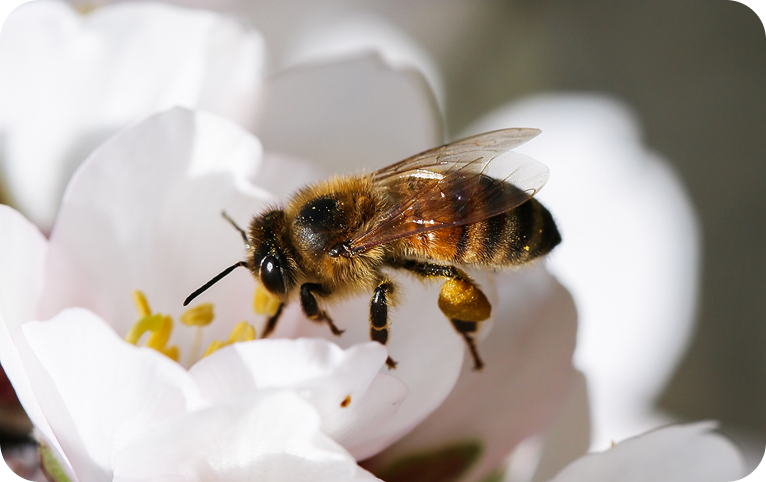
The western bumble bee is a chunky, fuzzy bee with black and yellow stripes and a white rump on its back end. It’s bigger and rounder than a honeybee, and it makes a low, buzzy sound when it flies. You might see it wobbling around flowers, looking busy—but don’t worry, it’s usually friendly and not out to sting.
Western Fence Lizard
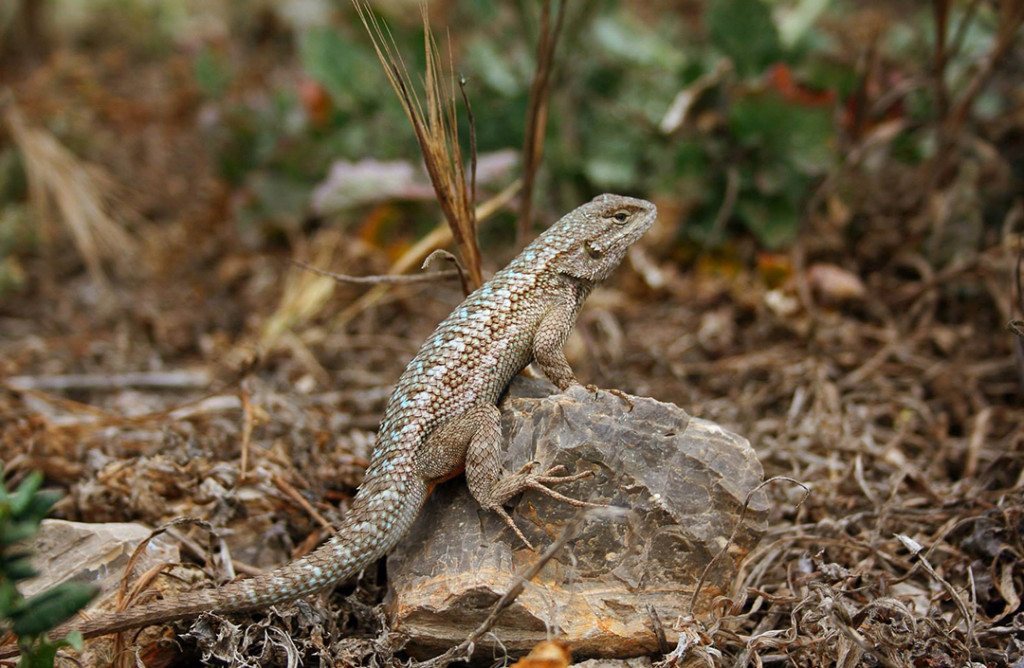
The western fence lizard is a small, scaly reptile with a rough body and shiny blue belly. You’ll often see it doing quick push-ups on rocks, logs, or—you guessed it—fences.
Southern Long Toed Salamander
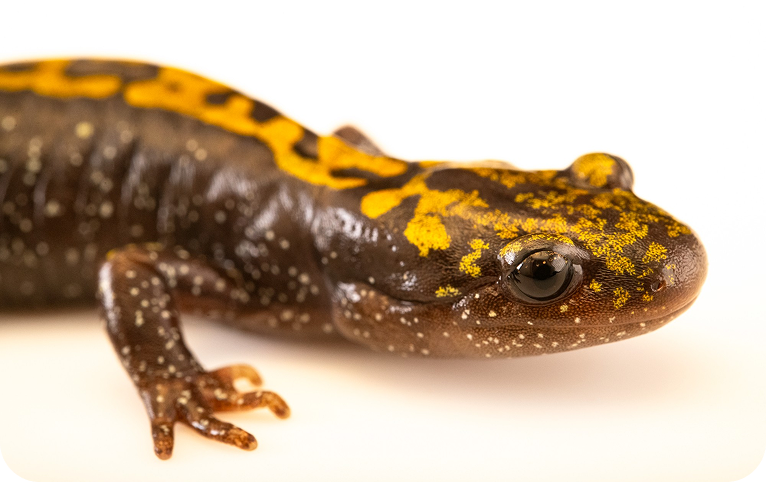
The Southern Long-toed Salamander (Ambystoma macrodactylum sigillatum) is a subspecies of the long-toed salamander, found primarily in the southern Sierra Nevada mountains of California. It is a small, slender amphibian known for its distinctively long outer toes on the hind feet, which help it move efficiently through its moist, forested habitat.