Douglas Fir
The Tree with a Cone Complex
What is it?
Douglas Fir
The Tree with a Cone Complex
What is it?

What Is It?

Not a true fir, but don’t tell it that—Douglas fir is tall, proud, and full of quirky cones.

Where is it found?

All over the Sierra Nevada’s mid to upper slopes.

What does it do?

Stabilizes soil, shelters wildlife, and provides primo timber.

How Does It Reproduce?

Cones with tiny bracts (look like mouse tails) drop seeds each fall.

Climate it thrives in:

Cool, moist climates with regular rainfall or snow.

Vegetation characteristics:

● Needles: Soft and flat
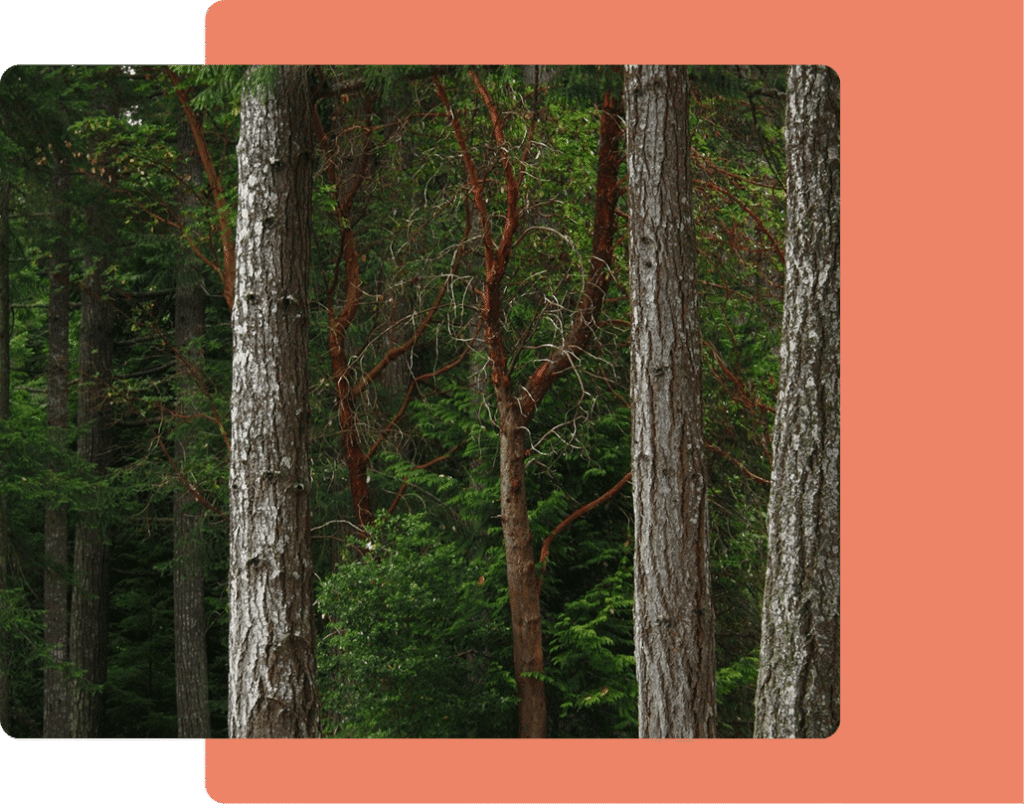
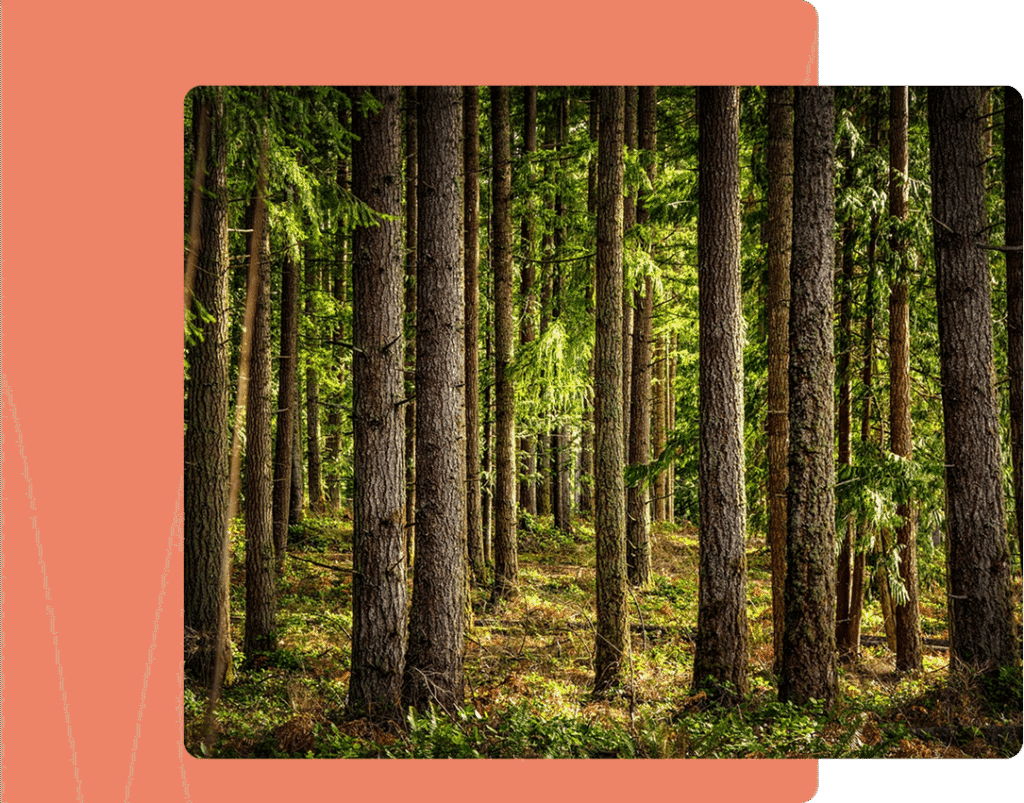
● Bark: Thick and ridged in older trees
● Height: Up to 250 feet

Wildlife support:

Cones feed birds and squirrels. Owls and hawks nest up top.

Ecological importance:

Vital part of mixed-conifer forests—keeps everything balanced.

Fun facts:

  • Cones look like little mouse butts sticking out

  • Popular as a Christmas tree—classic shape and smell

Why conserve it?

It holds forest ecosystems together and throws a fantastic wildlife party.
Meet Other SPECIES

A plant that can't decide between land and water—so it chooses both. It’s the amphibian of the flora world....
The mountain chipmunk (Neotamias amoenus), also known as the yellow-pine chipmunk, is a small, agile rodent native to mountainous regions...
The Foothill Yellow-Legged Frog (Rana boylii) is a small-sized (3.72–8.2 cm or 1.46–3.23 in) frog [2] from the genus Rana...
Wild mint is that minty-fresh herb that pops up near streams and wetlands like it's setting up a natural spa....

help protect gateway park species